
Mental Health Activist Craig Lewis comes on the Conquer Worry Podcast to tell his story of Mental Health Recovery after his 30 year battle.

About Craig
Craig Lewis is an Expert by Experience, a Psychiatric Survivor, the author of Better Days- A Mental Health Recovery Workbook, a life long punk rocker, a fearless activist, a workshop trainer and international speaker. Craig has survived a lifetime of struggle and has chosen to not allow his suffering to be wasted. Craig shares of his experiences, knowledge and lessons learned, in hopes of supporting others in living happier, healthier and more satisfying lives. This is an ongoing journey and Craig, like all of us, is a work in progress. Website: www.betterdaysrecovery.com
4 Comments
 Article by Two Wise Chicks Post design by Christy Zigweid Picture by StartupStockPhotos via Pixabay made using @wordswagapp Mental Health Week is drawing to a close and we are very happy. There is a real shift towards people truly understanding that it is OK to not always feel OK... and that asking for support is OK, too. This change means that people around the world are beginning to not just think - but KNOW - that each of us has feelings, needs and fundamental worth, and that if we are struggling with these things, change is possible. Shame-free, guilt-free change. What to do?! Where to go?! Because we are learning to claim our right to feel better, many more of us are choosing therapy as part of a life-improvement process. But what seems to perplex a lot of people though is how to choose a therapist. So, we've pulled together some helpful guidelines if you or a loved one has decided to see a therapist, psychologist or counsellor (there are some important differences).
What are the things I should be looking for in a therapist?Your first step might be to ask your doctor (GP) for a referral. Most, although not all, therapists and counsellors will make themselves known to the doctors (GPs) in their local area. If you have a good relationship with your doctor they may be able to match you with a suitable person. Bear in mind that your doctor may not ever have met the therapist in question and so a referral from a doctor is not a guarantee of a fit (nothing is really, you can only decided that yourself). Ask your friends and family if they can recommend someone to you. Psychologists, counsellors and therapists often get personal referrals - especially the good ones ;) - from people who discuss their therapists with their friends. A friend's recommendation is very useful because, well, they're your friend. So they may have an idea of who and what will suit you. Of course, remember that individuals vary, and what worked for you friend may not work for you and vice versa. Think of it as a guide, a good one - but not a guarantee. Shop around. You might get several referrals! If this is the case then please do feel OK about calling a few and seeing how you feel when you speak to them on the phone. It's a big decision and your comfort is important. Therapists are accustomed to speaking with people who are nervous, so there is no judgement. Check out their profile on LinkedIn, their Twitter, website and so on. Bear in mind that not all therapists have an online presence. If they have a license to practice (psychologist, social worker, etc.) check out the licensing body's website (more on that below). Interview your therapist. We would recommend speaking to them on the phone first, and many will offer a *free* phone call so you get a chance to connect and get a feel for the fit. We realize this might sound strange, but in essence you are about to employ this person. It is deeply personal work - the same as you might shop around for a new hairstylist, consider a therapist an EVEN MORE important decision. Here are some questions you might want to ask any therapist that you choose to contact:
Therapists are people too. Even with years and years of training and/or experience, a therapist will bring their own personality to their work. If you find that despite a pile of education and experience you do not feel comfortable with your therapist for ANY reason (their sense of humor bothers you, the perfume they wear makes you feel nauseous) - instead of judging yourself or discounting your feelings listen to your own gut. Address minor issues with your therapist if you feel comfortable doing so, but major personality conflicts will just get in the way of making progress in therapy. It's really okay to look for someone that feels like a better fit. These are the things we have learned to look out for over the years. Past clients have asked us these questions, we have answered most of these (and possibly more) for our clients, and coached the people we care about to ask these questions, too. Our hope is that they will help you come to as informed a decision as possible so that you can proceed knowing that you are safe. Have we left anything out?Please add your experience, comment or question in the comment section below. Good luck on your journey toward self-care!  About the Authors  Sally O’Reilly
Sally wants to help create a world of compassion for ourselves and others. A world where mistakes are allowed, gender roles don’t exist, sex ed in schools is a real thing and everyone dances – lovely! As a psychologist and psychotherapist in Ireland, she’s worked for nearly twenty years in private practice, with adults and trainee adults of all ages. She blogs on her own website, is a feature writer for super duper parenting websiteVoiceboks.com, does print and radio media work and has been known toTweet. She’s the one running our Twitter page! When she’s not working, you will find her engrossed in Science Fiction or some dark and Danish TV show, listening to music, watching the sea (while really, really wishing it were warmer), or figuring out how to work Lightroom on her Mac. All while munching on Bombay mix. #multitasker! She’s happiest when dancing and erm…. her cat has his own Facebook page. We won’t link to that, it’s too embarrassing.. Tanya Tinney Tanya looks forward to living in a world where people know their worth, respect boundaries, and always have time for tea and chocolate. A magic bubble that protects her from sticky fingers, hormonal girls and dog hair would be awesome as well. Her education and much of her training is in the areas of psychology and human potential. She worked as a licensed psychologist for over 14 years, with 10 of those years spent building her own successful private practice. In total, she has over 20 years of varied experience working, volunteering for non-profit agencies, and consulting to small business. Most recently she has launched her dream online coaching practice where she gets to work with motivated, amazing women who need help overcoming life’s hurdles. Exciting times! She has lived in Ireland, Ethiopia (okay, just 6 months), Canada, and currently lives in central Texas with her husband, three girls (including fraternal twins), two dogs and three cats. When she’s not finding ‘everyday moments’ to write about here or on herown blog, you can find her being walked by her dogs, unearthing unidentifiable food-objects under the couch cushions or baking her famous banana bread. Tanya runs our Facebook page – and not to be outdone by Sally’s cat, her dog has its own Facebook page too.  Guest post by Jessica Morris Blog design by Christy Zigweid Photo by tspdave via Pixabay made using @WordSwagApp It is a single thought, triggering feelings of anxiety in my stomach that gravitate upwards towards my brain, and down towards my feet. It sweeps in, its dark cloak hiding the light of reality, shrouding my mind in confusion that will circle until I distract it, or until it becomes exhausted from repetition. In any case, it will eventually fly away, waiting for the next opportunity to come and consume my mind and body. My obsessive-compulsive tendencies do not appear like they say in the books. In them, they show pictures of people washing hands and meticulously lining up objects in order of color and size. I have been known to do these things, but they are not the compulsions that threaten to break me.  Photo by geralt via Pixabay It is the thoughts. It is the constant cycle as they spin round and round and round and round—like a death march pulling me closer towards an abyss that doesn’t even exist. They create a maze, which, if I am not careful, I begin to believe I am trapped in. A maze of never-ending thoughts, feelings and uncontrollable behaviors. I hate my Obsessive Compulsive Disorder. I do not even like to call it mine; after all, it does not define me. It is but a collection of chemicals and synapses. But in those moments, when I can’t see or think of anything but that which I fear, I start to believe that we are one and the same. In the seconds the thought begins, it traces its way through my body towards a reaction. I have learnt to recognize it almost immediately. Once it would keep me up—minutes and hours and days spent obsessing over the same incident. Through time, however, I have become accustomed to OCD’s plans and schemes. How it latches onto words and names, faces and memories. How it likes to catch me off guard when I am tired and burnt out, delivering unfounded threats, saying it will topple my years in recovery and the many times I have conquered it. The moments it strikes are hard to overcome, because it is difficult to prevent your body from reacting to something it is programmed to respond to. It’s like having something wrestle you to the ground, but when you try to fight back, it increases its grip. Only by waiting out the moment does the thought and sensation lose its power. And ever so slowly, it leaves you alone and the chemicals in your brain make a new, healthier path, allowing you to see that the attacker wasn’t even really there. It was all just thoughts and chemicals, pulling you into a parallel reality. Sending you into panic mode. I know that I am stronger than these thoughts and compulsions. As a teenager I would visualize my fears, and they kept me shut inside my bedroom, afraid of myself and the world around me.  I found freedom when I told my parents about these thoughts—about how I was scared they were real, and that I was living a lie. I found freedom when, with the support of my psychiatric nurse, I took short walks in the daylight, slowly decreasing my irrational fear of being attacked outside of the home. I found freedom when I realized that I didn’t want to die, even when the thoughts and compulsions told me I did. The truth is, OCD has robbed me of a lot. Sometimes it still tries to steal precious minutes of my days. But I have realized that who I am today—the strong, resilient woman I have become—would not exist without it. By facing OCD and anxiety, I have learned that small steps lead to grand adventures, and short walks outside bolster courage within me to explore new lands. By struggling with OCD and anxiety, I have learned to have empathy and compassion towards people who are different to me, because I have questioned my own identity too. By questioning OCD and anxiety, I have redefined and re-evaluated what I believe, and why I want to be alive. And by overcoming OCD and anxiety, I have learnt that this all-encompassing illness does not define me. I am not the thoughts it places in my head, or the panic that sets in about something I am in control of. I am not the insomnia, or the chemicals and hormones racing around my body, triggered by a lingering doubt in my mind.  I am so much more than this. I am brave and bold, fearless and courageous. Yet I would not possess these in such great quantities if I did not battle with Obsessive Compulsive Disorder. I have hope that one day the OCD will pass forever. That the triggers of this season will cease, as did those of past years. That the fears they bring will be overcome with love and patience and trust. That I will become so confident and certain of my own worth and identity that the moment a thought attempts to trigger a compulsion it will be blocked by my own self-love. Until then, I ride it out. I take the moments OCD strikes as an indicator that I need rest, and I revel in the victory awaiting me on the other side of it. I redefine OCD as an illness, not an identity—a moment, rather than a lifetime. I am not my Obsessive Compulsive Disorder, but because of it I have become me. And that is why I will overcome it, every single time. This excerpt comes from Jessica’s memoir, When Hope Speaks available now from jessicamorris.net. About the Author
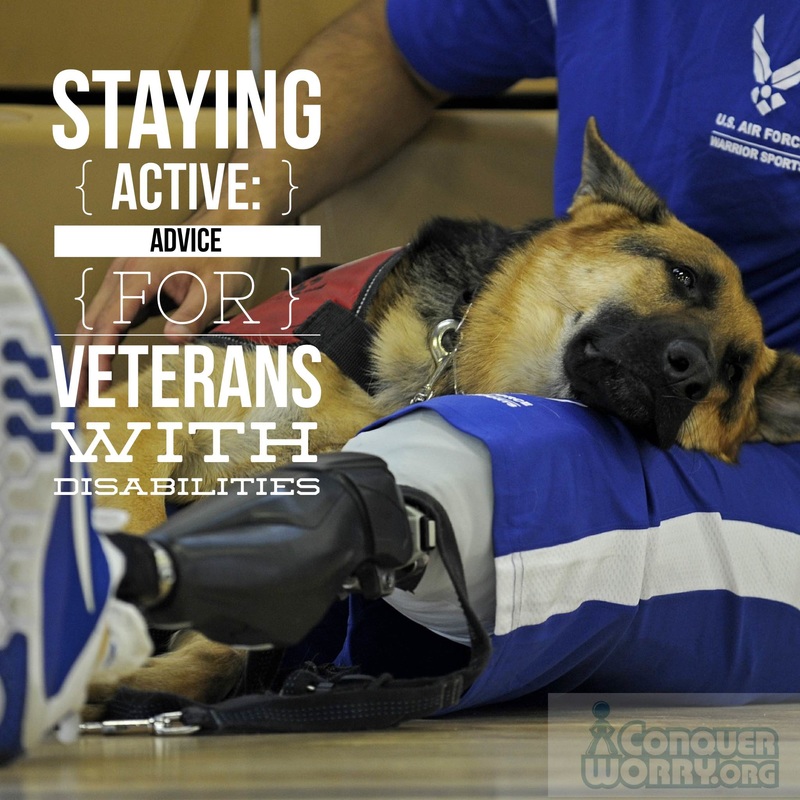 Article by Steve Johnson Edit and Post Design by Christy Zigweid Photo by skeeze via Pixabay made using @WordSwagApp We all know the importance of physical exercise. It has the power to heal the body, clear the mind, and keep our waistlines in check. While regular exercise should be a top priority for everyone, it’s especially important for people with disabilities to stick to a moderate exercise regimen. Here are a few tips to help you ensure getting plenty of exercise stays a part of your daily routine. Create a Plan and Set Your GoalsThink about what kind of exercise would work for you, what kind of results you want, and your overall goals for your physical health. Consider whether you want to work out at home or whether group exercise will be more motivating for you. Write it all down and use it to help create your exercise plan. There are plenty of resources online for people with disabilities looking to create an active lifestyle. There’s also adapted versions of popular exercise activities that may be more suitable for people with limited physical ability, like chair yoga, aquatic exercise, and adaptive Alpine skiing. Remember, your exercise plan doesn’t need to be intense or complicated–as long as you commit to doing it regularly you’ll see benefits. Consider Alternative TherapiesMany alternative therapies will help you heal while also getting exercise. For example, aquatic therapy has been shown to improve muscle strength, flexibility, and balance while helping to decrease pain. Another option is to get a therapy dog. Therapy dogs can help reduce symptoms of depression and PTSD while encouraging physical exercise through dog walks and play. Work with Professionals If you’d like some help creating or implementing your exercise plan, consider getting advice and encouragement from a health care professional like a doctor or physical therapist. There are also personal trainers who specialize in fitness for people disabilities. All 3 types of professionals should be able to help you figure out what you’re capable of and what activities you’ll enjoy. Keep in mind that–depending on your disability–you might need to seek clearance from your doctor before starting a new exercise regimen. 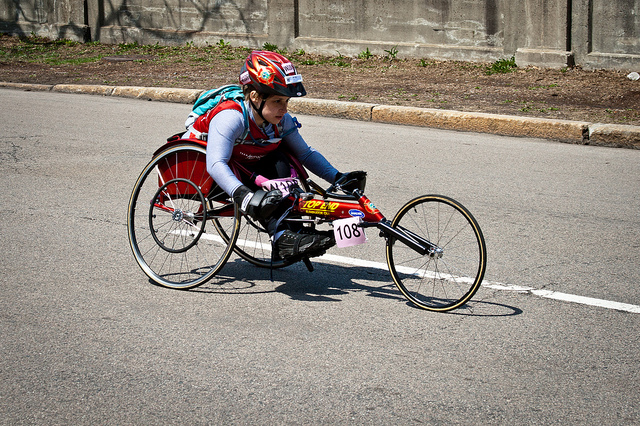 Photo by Andrew Malone via Flickr Listen to Your BodyWhether you work with others or go it alone, always remember to listen to your body. Tune in to any physical sensations you have during exercise and know when to take a break. Remember–you should feel like you are putting your body to work, but you shouldn’t be feeling pain. If you find yourself in pain during exercise, stop immediately and consult with your doctor before continuing. If you’re experiencing chronic pain, it may be more rest that you need rather than more intense activity. Work with your physician to find the right balance. Sticking to an exercise routine can have its ups and downs, but once you start, the physical and mental health benefits you see will make it well worth it. ABOUT THE AUTHOR Steve Johnson has always been dedicated to promoting health and wellness in all aspects of life. Studying in the medical field has shown him how important it is for reputable health-related facts, figures, tips, and other guidance to be readily available to the public. He created PublicHealthLibrary.org with a fellow student to act as a resource for people’s overall health inquiries and as an accurate and extensive source of health information. When he isn’t hard at work in his studies, Steve enjoys playing tennis and listening to his vintage record collection.
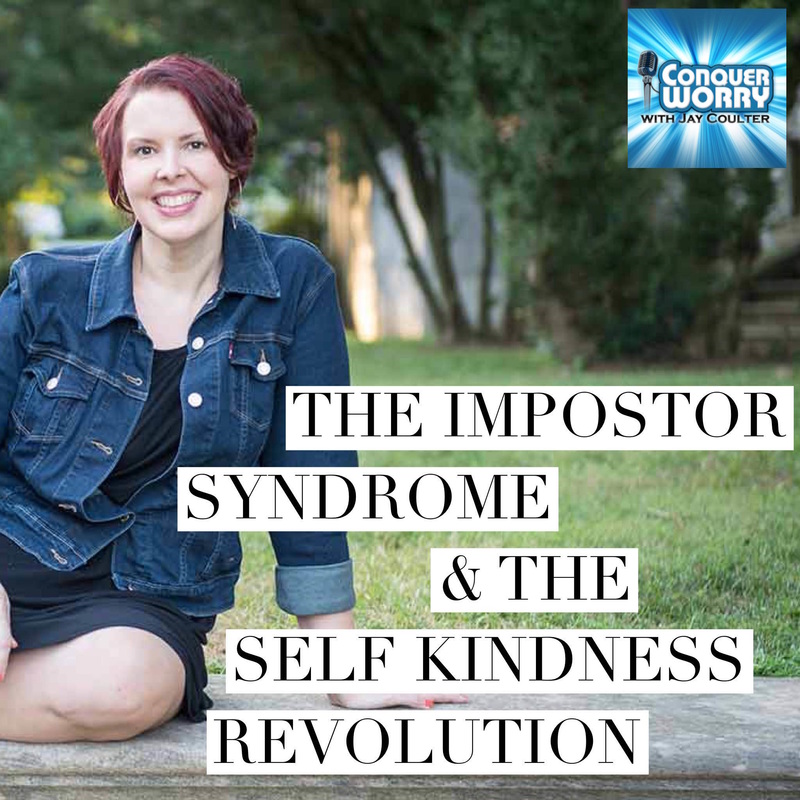
Have you ever felt like a fraud? Do you treat yourself poorly? This is the episode for you!
In this podcast Lara Heacock comes on to discuss The Impostor Syndrome and The Self Kindness Revolution. 
ABOUT LARA (From Her Website)
Hi! I’m Lara Heacock, and I believe, so strongly, in being kind to yourself. My Kind Over Matter story began after decades of trying to check all the “right” boxes… I got the degree (in Psychology) and then an MBA. I got a house and a husband, and I poured my heart and soul into a very successful 11 year career as a professional recruiter and leader. I was the strong one holding everyone else up, determined to maintain the image that I had everything perfectly under control, and could do it all! I was the good one, the reliable one, the one who had it all together, but I wasn’t happy. There was nothing left for me. Eventually, I was exhausted. I couldn’t fall asleep at night and had no energy during the day. I felt disconnected, misunderstood and angry…a lot…especially at my husband. Even though I’d cultivated this ‘perfect’ image, I still struggled with how I felt when I looked in the mirror, but I thought it was weak to share any of this. After all, I was the strong one! What would people think? I was not good at asking for help, and kept hoping that staying busy and having nice stuff would make me feel better. When I realized that I could no longer get out of bed on time to get to work, and that I was procrastinating everything because I felt insecure & anxious, I knew something had to change. My emotional balloon was about to burst! I started being kind to & taking care of myself, and everything changed. I was happier, felt balanced and got “me” back! My marriage improved and my stress level went WAY down. I even found the courage to pursue my lifelong dream of becoming an Executive Life Coach. It was the start of a journey that changed my life. I will never forget sitting in my first day of coaching training and admitting that I was afraid everything was fake and there was nothing underneath. Guess what?
You can’t do it alone either, and you don’t have to. When I learned to love and take care of myself, everything changed. I found my inner light. I built a foundation of self-kindness and acceptance, and am now better equipped to handle what life throws at me. Through my training, I was able to re-claim my self-worth, self-respect and creativity. If I can change, so can you! Since then, I’ve spent hundreds of hours helping others:
Life is short, and you deserve to enjoy yours fully! Let me show you how. Click HERE to read about working with Lara 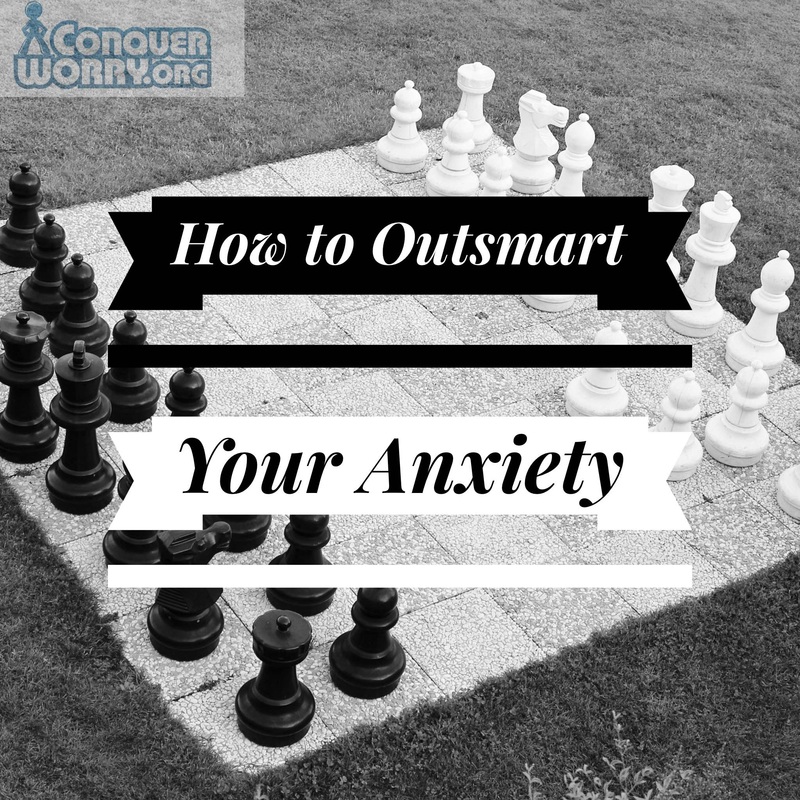 Guest Post by Tim Stoddart Edit and Post Design by Christy Zigweid Photo by markus53 via Pixabay - made using @WordSwagApp In general, anxiety is part of the human experience. It’s a natural reaction to stress. It might show up as sweaty palms before an interview, chaotic thoughts clashing in your head before making a big decision, or a general sense of unease in daily situations like meeting new people. Anxiety spans across a broad spectrum. One of the most common mental illnesses affecting U.S. adults--about 40 million—are anxiety disorders. When anxiety levels become difficult to control and negatively affect day-to-day living, it can be deemed an anxiety disorder. Anxiety can lead to a host of physical problems, as well as life problems: anxious habits, substance abuse, difficulty with relationships, problems at work. No matter how it shows up in your life, anxiety can be troublesome. An anxious response can range from uncomfortable to inconvenient to overwhelming. Even in situations of “minor” stress, our brains behave differently and we don’t always think clearly. Your Brain on Anxiety
Our brains can also trigger an anxious response from something internal—a quiet thought or worry—and experience the same fear, dread, or apprehension. Our bodies still react, and our thought patterns can become clouded by emotions. Anxiety is a powerful force in your brain. But how you react to it can make a huge difference in the power it has over you. Don’t think of anxiety as all bad! That energy in us can also help us to be more productive, pay attention to detail, and creative. It’s not about beating anxiety, but outsmarting it in your everyday life. Slow Down
Breathe Being told to “just breathe” can be really frustrating in the heat of anxiety, but it’s actually great advice. In a research study, scientists found that certain emotions change our breathing pattern. Similarly, by taking control of our breathing, we can change the way that we feel. When we’re anxious or stressed, our heart beat elevates and our breathing becomes fast and shallow. If we continue this breathing pattern, we prolong the emotional response. According to the study, the best medicine for anxiety is “deep, slow breathing into the belly.” Be Mindful Does your mind ever start racing, but you need to get focused again? Grounding techniques are a practice in mindfulness that you can use every day. When the thoughts start picking up speed, ground yourself by focusing on something concrete. Focus your attention on sensory details around you and stay in that moment. Wiggle your fingers and watch their movements. Tap your feet in a rhythm. Focus on those sensations and the control that you have over your body. Look up at the sky, hone in on the movement of the clouds. Describe the colors and shapes of the leaves—aloud or in your head. Whatever you can do to put yourself in the present and relax, do it. We spend so much time worrying about the past and the future, but things slow down when we can put ourselves in the present. In general, you can practice mindfulness at any time—while you’re eating, in the shower, on a walk, or listening to music. It can help in any intense emotional state. Get Centered
Get Outside It’s easy to lose touch with Mother Nature amidst our busy lives. But, time spent outside is important—it’s a break from our everyday stresses, it can help us to relax and breathe easier, and it’s the ultimate place to get serene and practice mindfulness. Even if it’s just for a short stroll, by stepping outside to appreciate the tangible beauty in our world, we can bring ourselves back to center. Meditate A great activity to practice outdoors is meditation. When we’re tangled up in anxiety, it might seem impossible to sit still, be quiet, and meditate. Like any skill, meditation gets easier with practice. Think of meditation as personal therapy time—a space to untangle your intense emotions. First, control your breathing and let your emotions settle. Then, quiet your mind. What are you feeling? Are you bothered, angry, fearful, stressed? Taking the time to meditate reminds you that—here, in this moment—you are safe and you are okay. You can meditate at home, outdoors, or even in a quiet place on your work break. Meditation isn’t limited to sitting cross-legged in the lotus position. You can sit in a chair, lie down, or take a walk. Some people enjoy guided meditation recordings, calming music, or nature sounds, while others prefer quiet. And it doesn’t have to last an hour—try 15 minutes, 5 minutes, or even just 1 minute. Get Real
Reason with Yourself If we can slow down our thoughts, we have a chance to challenge some of our thinking. When you’re feeling nervous, afraid, or overwhelmed, talk to yourself like you would a friend. What’s going on? What’s inspiring your fear or apprehension? Are your fears posing an imminent threat, are they far-off in the future, or are you stuck on the worst-case-scenario? What can you control, and what’s out of your control? Take action when you can, but so much in life is out of our control. Ease the panic by identifying what you can do and what you must let go. You can use internal self-talk to get real with yourself; try talking aloud, or writing those thoughts into a journal to make more sense of them. Reasoning with yourself may not “fix” the problem, but you parse through the intense feelings and see things more realistically. Be Kind to Yourself Many people, like myself, get frustrated with their anxiety. We perceive ourselves negatively when anxiety has a hold on us. Instead, make an effort to be a patient and accepting friend to yourself. Allow your feelings to exist without judgment. Bolster yourself against negative thoughts, rather than putting yourself down even more. One of the best ways to practice this is through positive affirmations—statements or mantras that you use to bring positive thinking into your life. You can say them in your head, aloud, or write them down and post them somewhere you can see them. The idea is to practice them daily and change the color of your thoughts. No need to be insincere—use statements you believe in, that will actually help you. I am safe. Life is good. It’s a beautiful world. Let it Out Last but not least, we all need an outlet for our feelings. With any emotion, it manifests in our body as energy—and you can feel that pent up energy and tension with anxiety. Find a way to let it out. For many of us, this means having a trusted friend you can talk to or call in tough moments, or scheduling time to meet with a therapist. Talking it out is a way to release those feelings and reason with yourself and someone else in the process. There are also healthy routes of self-expression worth trying. Journaling is extremely effective for many people, helping them to interpret and understand their thoughts. But, writing isn’t the only way—paint, draw, collage, sing, dance, cook a meal. The idea is to find a way to express whatever chaos goes on in your brain so you can lessen the negative impact it has on you. Anxiety is Smart but You're Smarter
About the Author
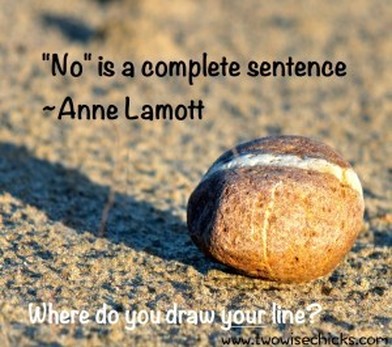 Have you ever wondered what on earth people are banging on about when they mention 'healthy boundaries?' The word 'boundaries' comes up a lot in therapy, in coaching, in life actually! We may have a sense of what boundaries are but the concept can be difficult to describe. Boundaries are not concrete. There are no hard-and-fast rules, no one-size-fits-all to boundaries. So, if you're not sure what exactly they are, then you are most certainly not alone. Because we create and maintain our own boundaries, they are often something we don't even notice. It's becomes an 'unconscious habit'. If we are lucky, we've had parents or other adults who have role modeled healthy boundaries to us and we learn automatically how to have and set healthy boundaries, too. With some luck, we know when to say 'yes' or 'no' - and feel no fear when we do it. If we are lucky. But not everyone is that lucky. We know that healthy boundaries are rooted firmly in a clear sense of self-worth. If we value ourselves, we tend to have healthy boundaries and if we don't, or if we're uncertain about our worth, then our boundaries become fuzzy, weak, rigid, broken. And that means we are vulnerable to getting hurt or abused (or we may even hurt others!).If you have found yourself saying "People always take advantage of me" or asking "Why am I always treated so badly?!" then it's possible that you have "unhealthy" boundaries. The good news is that this is totally workable! So what do healthy boundaries look like? Do you have someone in your life whom you just know will not allow you to take advantage of them? Whom you just know will say 'no' if you try to push them to do something they don't want? Who won't meet you or do you a favour unless they are truly able and have the time? Who will respectfully give you time when it's right for them and who can say no to you without being aggressive or rude? Who won't take you on the mother of all guilt trips? That person has healthy boundaries. They are clear about what's right for them and they can stand their ground and own their decisions without attacking or blaming you, others or themselves. They have a strong sense of self worth - and by that we mean, they believe they are worthy of good treatment. And, even if you don't always like that they say no when you would rather that they say yes, you probably feel safe with this person. You have a sense that they are 'solid.' That's their boundaries that you're sensing right there People with healthy boundaries don't just treat themselves with respect - they naturally treat those around them with respect, too. So, what do unhealthy boundaries look like? An unhealthy boundary leads us to say 'yes' when we'd rather say 'no.' When we do that, we may become resentful, aggressive, and we may not take responsibility for our own choices and decisions. When we have poor boundaries, we often surround ourselves with similarly boundaried people and wind up being abused (or being abusive) - in mild ways all the way up to dangerous ways. Self-Assessment: If we are feeling like we are blaming others, or feeling victimised constantly, that might be a sign that our boundaries need some attention.  Not all boundaries are healthy! So - now you've watched it - how would you rate your boundaries Here's another insight: sometimes our boundaries are really strong and healthy in some situations or with some people, and really poor with others. We challenge you to check: *What's happening to your sense of self-worth in the places where you have difficulty? * What are you saying to yourself about YOU? * What beliefs do you have that are influencing the way you allow yourself to be treated? Like Tanya says in the video there, our boundaries are not the responsibility of others. Naturally, we deserve respect. But we alone can teach other people that we believe we are worthy of that respect, and we can only teach others if we believe it about ourselves first. Now - have fun with those condoms! ;) Warmly,  Us! ps: Please feel free to comment below with any other analogies you can share with us to help explain the idea of boundaries - we'd love to hear them! pps: We wrote a detailed "Saying No" piece last year if you're interested in reading more. About the Authors  Sally O’Reilly
Sally wants to help create a world of compassion for ourselves and others. A world where mistakes are allowed, gender roles don’t exist, sex ed in schools is a real thing and everyone dances – lovely! As a psychologist and psychotherapist in Ireland, she’s worked for nearly twenty years in private practice, with adults and trainee adults of all ages. She blogs on her own website, is a feature writer for super duper parenting website Voiceboks.com, does print and radio media work and has been known to Tweet. She’s the one running our Twitter page! When she’s not working, you will find her engrossed in Science Fiction or some dark and Danish TV show, listening to music, watching the sea (while really, really wishing it were warmer), or figuring out how to work Lightroom on her Mac. All while munching on Bombay mix. #multitasker! She’s happiest when dancing and erm…. her cat has his own Facebook page. We won’t link to that, it’s too embarrassing.. Tanya Tinney Tanya looks forward to living in a world where people know their worth, respect boundaries, and always have time for tea and chocolate. A magic bubble that protects her from sticky fingers, hormonal girls and dog hair would be awesome as well. Her education and much of her training is in the areas of psychology and human potential. She worked as a licensed psychologist for over 14 years, with 10 of those years spent building her own successful private practice. In total, she has over 20 years of varied experience working, volunteering for non-profit agencies, and consulting to small business. Most recently she has launched her dream online coaching practice where she gets to work with motivated, amazing women who need help overcoming life’s hurdles. Exciting times! She has lived in Ireland, Ethiopia (okay, just 6 months), Canada, and currently lives in central Texas with her husband, three girls (including fraternal twins), two dogs and three cats. When she’s not finding ‘everyday moments’ to write about here or on her own blog, you can find her being walked by her dogs, unearthing unidentifiable food-objects under the couch cushions or baking her famous banana bread. Tanya runs our Facebook page – and not to be outdone by Sally’s cat, her dog has its own Facebook page too. 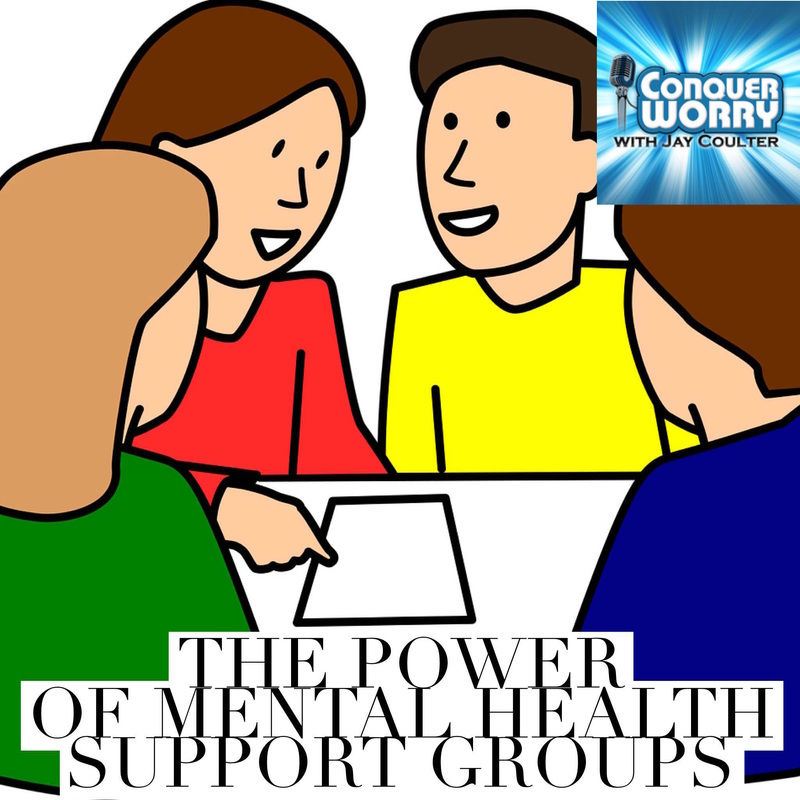
Dan Lukasik returns to the podcast to discuss SUPPORT GROUPS. He has become a national thought leader and advocate of supports groups having lead one himself for the past 10 years.

NAMI Support Group Information: Link 
Dan is the creator of Lawyerswithdepression.com. He is the Chairman of the Board of Directors for Compeer, Inc., a Buffalo organization that matches mentors with people who struggles with mental illness. Dan has also been featured on CNN, WSJ and NYT. Follow Dan Twitter: @DanLukasik Facebook: @LawyersWithDepression  Guest post by Michelle Peterson Edit and Blog Post Design by Christy Zigweid Photo by karosieben via Pixabay made using @WordSwagApp Addiction comes with many risks, including impulsive or dangerous behavior, health issues, and overdose, but many fail to realize how a serious addiction can have a fatal chain reaction that could lead to suicide. The link between addiction and suicide is a strong one, according to many studies done over the years. One such study showed that the strongest predictor of suicide is alcoholism, a disease which carries depression along with it; either alcohol exacerbates symptoms of depression that were already present, or it has a dark effect on moods and can lead to isolation, violence, or a slow decline in the individual’s ability to function daily. For some, substance abuse is a way to self-treat depression, anxiety, stress, or emotional pain from big life changes, such as a divorce or death in the family. It may be the only thing that helps the individual sleep or cope with everyday events, but the truth is, drugs and alcohol are only making things worse behind the scenes. It’s estimated that the suicide rate among those who suffer from substance abuse issues is as high as 45%, yet it’s still difficult for many people to start the conversation with a loved one who is at risk, in part because the subject is so taboo in our society. We are afraid to bring up the word “suicide” for fear that it will be suggestive, or that it will offend the individual at risk. Another issue is that not everyone knows what to look for. Even trained professionals may have a hard time diagnosing someone with a substance abuse problem--or with depression--and establishing a safe place for the individual to talk openly about their feelings.  Photo via Pixabay by Unsplash Although warning signs of addiction can vary from person to person, there is a general list to be on the lookout for. It can be especially difficult to differentiate between warning signs and typical changes in mood and behavior when a teenager is concerned, so be aware that if you think these signs are present in a loved one, it’s important to talk to them about it before you make assumptions. Bringing up your concerns won’t put ideas into their head about suicide; if they were already thinking about self-harm, however, having the word out in the open could be enormously helpful in moving toward a healthy path. Some of the most common signs include:
In talking to a loved one about your concerns, one of the most important things to remember is not to introduce guilt. Being judgmental will only make the individual feel worse, and it’s likely that if they do have a substance abuse problem or are having thoughts of suicide, they already suffer from low self-esteem or feel isolated. Let them know that they are not alone, and listen with a sympathetic ear. Statements such as “I’m so sorry you’ve been feeling that way” are particularly effective. If your loved one admits there is a problem but doesn’t feel comfortable talking to you about it, that’s okay. You can still offer to help them find a counselor, group therapy, or healthcare professional to aid them in recovery. If you feel self-harm is an immediate danger, don’t leave the individual alone. Stay with them and call for help, and, if possible, remove any items that could be used as weapons or cause injury from the area. If you are having thoughts of suicide, please call 911 or the National Suicide Prevention Lifeline at 1-800-273- (TALK) 8255 About the Author Michelle Peterson has been in recovery for several years. She started RecoveryPride.org to help eliminate the stigma placed on those who struggle with addiction. The site emphasizes that the journey to sobriety should not be one of shame but of pride and offers stories, victories, and other information to give hope and help to those in recovery.
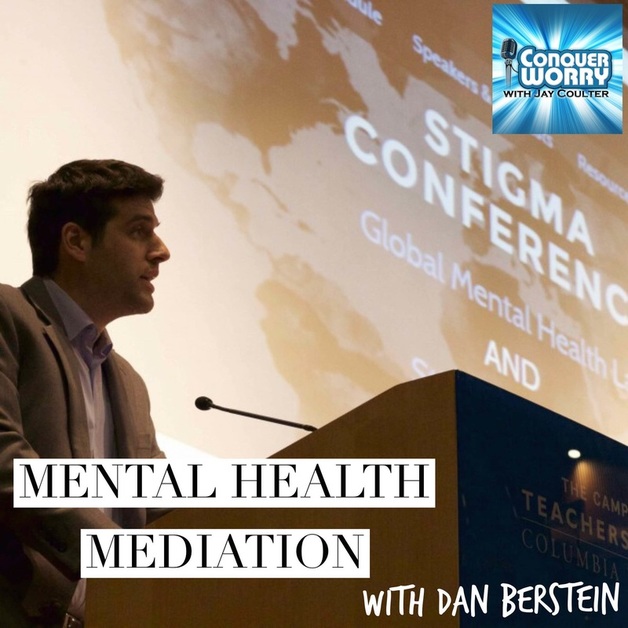

From Dan's Website:
Dan is a mediator living with bipolar disorder and the founder of MH Mediate. He has spent the past decade working to improve how people communicate about mental health. Dan has been a support group facilitator with the Mood Disorder Support Group of NYC, a speaker with the National Alliance on Mental Illness, and a Mental Health First Aid training instructor with the NYC Department of Health and Mental Hygiene. He studied mediation at the NY Peace Institute, where he sat on the Mediator Advisory Board and mediated criminal court, youth-involved, school, and community cases. A sought-after speaker and trainer in mental health communication and conflict resolution, Dan has presented workshops at many conferences and led MH Mediate trainings in over a dozen states. He holds a masters degree in Mental Health from the Johns Hopkins Bloomberg School of Public Health and a bachelors degree from the Wharton School of the University of Pennsylvania. Dan has delivered programs for the Department of Interior, the NYC Department of Health and Mental Hygiene, the University of Notre Dame, the Wyoming Department of Agriculture, the National Alliance on Mental Illness, the Association for Conflict Resolution, the Association for Professional and Family Mediators, Cardozo School of Law, and many other organizations. He is excited to see conflict resolution become a bigger part of mental health across the United States. |
Build Your Action Based Stress Reduction System


Popular PodcastsOlympian Suzy Favor Hamilton - From Fame to Prostitution to Advocacy
Hall of Fame Basketball Star Chamique Holdsclaw on Mental Resilience Diana Nightingale on her husband Earl Nightingale's Principles for Mental Health Success JoAnn Buttaro on Date Rape & PTSD Survival Story: Its Never Too Late Gabe Howard on BiPolar Advocacy Phil Fulmer on Teen Suicide Prison, Bipolar and Mania with Andy Behrman Columbia Univeristy's Dr. Rynn on OCD 
Archives
March 2018
Categories
All
|





 RSS Feed