
 Sadness, depression, anger, feeling out of place, knowing something was wrong with me; these are among my first memories. I saw my first therapist at the age of seven, shortly after my parents split up for the first time. I was experiencing shortness of breath and coughing fits so extreme I would vomit. The inhaler didn’t help me breathe and the doctors wanted to put me on tranquilizers. Eventually, I recovered from the physical ailments, but the emotional ailments stuck with me. It wasn’t until my teenage years that I started seeing a therapist regularly. I hated her. She didn’t listen to me. She asked me questions she thought would give her the information she needed. There was no silence inside those sessions, no room for me to find my words. I used to write letters to my therapist that I never gave her. They were full of words I couldn’t bring myself to say. When I was fifteen, I started hurting myself and attempted suicide for the first time. My therapist suggested to my parents that I see a psychiatrist. But the psychiatrist only asked me questions in front of my mother. When she left the room, he asked me if there was anything I wanted to say, but I still couldn’t find the words to tell the truth. No one knew I had tried to kill myself. It was a dirty secret that I was terrified to admit. I thought my parents would be angry. At sixteen, my diagnosis was depression. At seventeen, it was depression and anxiety. At eighteen, I went off to college and attempted suicide for the second time. The university psychiatrist got me into regular counseling. I was diagnosed with major depression and given my first anti-depressant, which had no effect. At nineteen, I moved across the country for a geographic cure and finally found a counselor that listened to me, but still didn’t get the right diagnosis. I was given anti-depressant after anti-depressant, each of which gave me new side effects, but no symptom relief. A part of me thought that the anti-depressant’s not working meant that there wasn’t actually anything wrong with me, that I was just a lazy, weak, and useless person. After graduating from college at the age of 23, I finally found a psychiatrist who put the pieces together. He asked detailed questions and got a thorough history. He drew a physical timeline of my moods that made the bipolar pattern emerge. He was the first doctor to give me a useful diagnosis that made sense. Rapid Cycling Depressive Bipolar Disorder II. Sixty-nine percent of people with bipolar disorder are misdiagnosed, and one-third of these don’t get the correct diagnosis for more than ten years. Anti-depressants can be incredibly dangerous to people suffering from bipolar disorder, exacerbating symptoms and generally making people feel worse or having no effect at all. 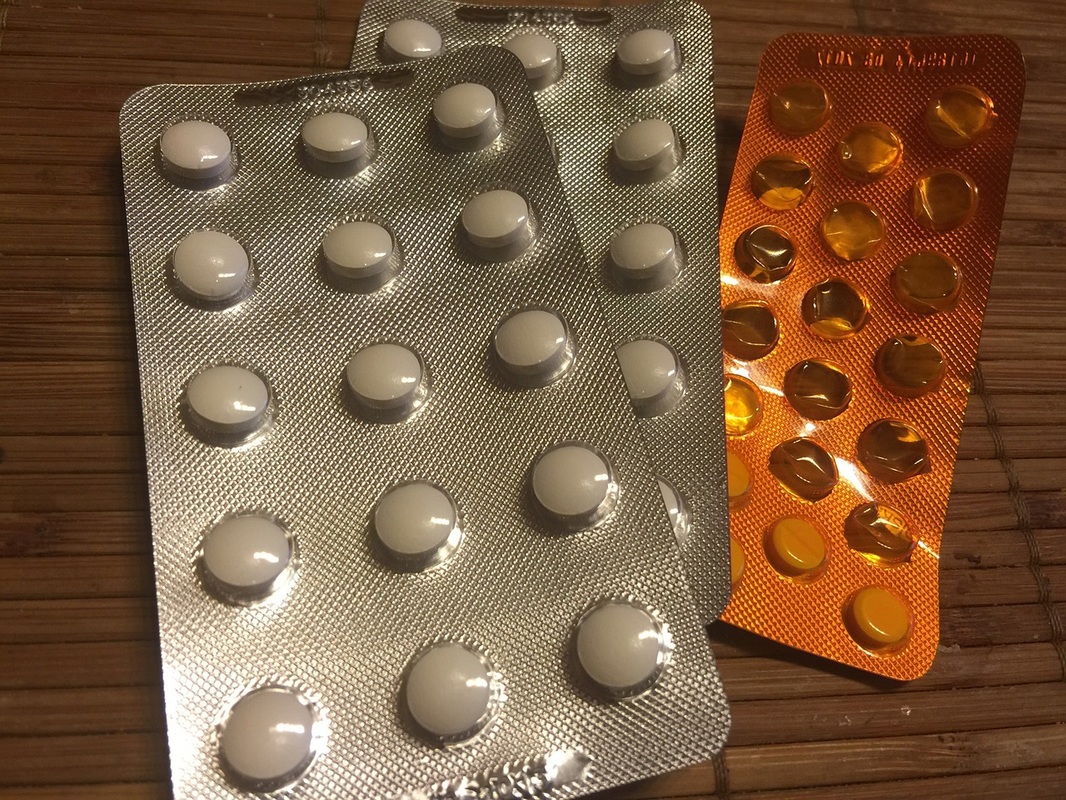 Photo by kropekk_pl via Pixabay But because we don’t talk about mental illness, it is impossible for people to know if they are getting correct diagnoses or medications. From my first diagnosis, to the correct diagnosis it was almost ten years. And once I received that diagnosis, it took another five years to find a medication that actually made a difference. Three hospital stays, two more suicide attempts, and fifteen years of avoidable suffering. The moment I was properly diagnosed, changed my life. It was the moment that I realized I wasn’t a lost cause. There was a reason anti-depressants didn’t work for me. I wasn’t just a lazy, useless person. There was an illness that explained my suicide attempts, self-harming behavior, depression, and anxiety. Getting the proper diagnosis made a world of difference. I am not a failure. I have a chronic illness that can be treated. Steps to take if you need help:
Mental illness does not have to be a death sentence. You are not a failure. You are a strong, resilient person and if you have a mental illness, you have a chronic illness that can be treated. About the Author
2 Comments
Mike
2/19/2016 11:04:59 am
Very informative.. Keep up the good work.
Charlene
2/23/2016 10:58:32 pm
Felt like I had the same journey but with with the addition of abuse after abuse. Now I am being abused by my own manager and she is lieing about everything. No one is helping me people with Mental health have no rights it seems. I feel powerless and the laws don't protect people like me. I'm getting more depressed but I won't give up. I hope I can see it through to have my day in court. To stand up for people like me who are being failed by the system and make my Manager accountable for all the abuse she has done towards me. I work in a Nursing home and the abuse I see their plus being wrongfully blamed for a residents sudden death, caused me to suffer a nervous breakdown. I have spoken out about the abuse and nothing has changed. I don't know what more I can do. People are dying in pain, if I record the abuse I will face charges. I don't know what I can do. I am the only person standing up for these people. My work colleagues don't seem to care enough, or they fear her. Just had to get that off my chest as that's what I'm going through. I don't take medication but I've been fighting for a diagnosis since 2002. Had countless breakdowns along the way, but I'm still here fighting for the rights of our most vulnerable people who are just like me. Human beings! I just wanted to say a massive thank you for your post, I'm inspired by your story and don't feel alone. I realise their are people who are facing what I'm facing out their in the world. Thanks for highlighting Mental Health it's the only disease we all have in common but effects us all differently. I pray that the world opens it's eyes to the truth about Mental Health and we end Suicide for good. I'm not ashamed by my Mental Health status if anything I'm motatived because I value each day I have that's amazing so much more. God Bless You all. Leave a Reply. |

Listen To The ConquerWorry™ Podcast
Archives
March 2016
Categories
All
|

 RSS Feed